Wood Moisture Content and Seasoning for Wood Stove Owners
Wet wood is the single largest driver of creosote buildup, poor performance, and excess emissions. Here's the science, the standards, and the practical guide to knowing your wood is ready to burn.
Your wood stove installation can be perfectly permitted, inspected, and EPA-certified — and still perform poorly and dangerously if you're burning wet wood. Moisture content is the variable that most homeowners underestimate and that chimney professionals cite most often as the root cause of creosote problems.
What Moisture Content Means
Wood moisture content (MC) is expressed as a percentage of the wood's dry weight. Freshly cut ("green") wood typically has an MC of 50–60% — meaning half its weight is water. Properly seasoned firewood should be below 20% MC. Kiln-dried wood is typically 8–15% MC.
Why it matters for burning: every pound of water in your firewood must be vaporized before the wood can contribute heat to your room. Vaporizing water consumes approximately 1,000 BTUs per pound — BTUs that come from the combustion of the wood itself, not from the fire heating your home. High-MC wood burns cooler, produces more smoke and unburned gases, and deposits significantly more creosote.
| Moisture Content | Wood Status | Effect on Burning |
|---|---|---|
| Above 50% | Green / freshly cut | Barely burns; massive smoke; maximum creosote; should never be burned |
| 30–50% | Partially seasoned | Burns poorly; heavy smoke; high creosote; not acceptable for regular use |
| 20–30% | Marginally seasoned | Burns acceptably in ideal conditions; elevated creosote risk in smoldering |
| 15–20% | Well seasoned | Good burning performance; manageable creosote with hot burns |
| Below 15% | Kiln dried or very well seasoned | Excellent performance; minimum creosote; maximum heat output |
How to Measure Moisture Content
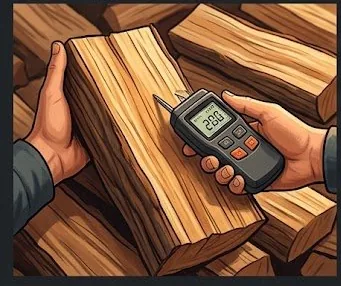
Recommended Tool: Digital Wood Moisture Meter
Burning wet wood is the single biggest driver of creosote buildup and chimney fires. A moisture meter takes 10 seconds per log and tells you definitively whether your firewood is ready to burn. Target: under 20% moisture content. Inspectors and CSIA chimney sweeps recommend testing every cord you receive.
Check Price on Amazon →As an Amazon Associate, WoodStoveCode earns from qualifying purchases. Price and availability may vary.
A pin-type moisture meter is the only reliable way to know your wood's MC. These devices cost $20–$60 at hardware stores or online. Split a piece of firewood and press the pins into the freshly exposed interior face — end grain readings are inaccurate.
Target: under 20% for routine burning; under 15% for best performance. If your wood is consistently testing above 20%, it needs more seasoning time regardless of when you cut or bought it.
How Long Does Seasoning Take?
| Wood Type | Split and Stacked Minimum | Notes |
|---|---|---|
| Softwoods (pine, fir, cedar) | 6–12 months | Season faster but burn hotter and shorter than hardwoods |
| Light hardwoods (birch, poplar, cherry) | 12 months | Good all-around firewood when properly seasoned |
| Dense hardwoods (oak, hickory, ash, maple) | 18–24 months | Best heat value per cord; take longest to season properly |
| Any species — kiln dried | Ready to burn | Typically 8–12% MC; premium price; excellent performance |
Proper Stacking for Seasoning
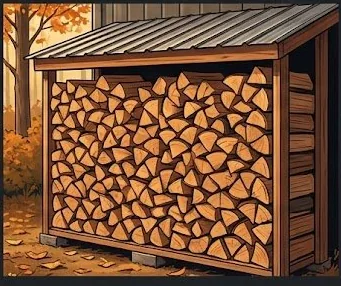
- Split first — unsplit rounds season 2–3× slower than split wood; moisture escapes through the cut faces, not the bark
- Stack off the ground — on pallets, rails, or a wood rack to allow airflow beneath and prevent ground moisture wicking
- Cover the top only — not the sides; airflow through the stack is essential for evaporation
- South-facing exposure — stack in a sunny, wind-exposed location; shade and still air dramatically slow seasoning
- Split face outward — for the outer rows, placing the split (non-bark) face outward speeds drying of those pieces
Regulatory Direction: Moisture Content Rules Are Coming
Several European countries (notably the UK and Norway) have introduced regulations limiting the sale of wet firewood for residential use. In the U.S., this trend hasn't reached federal or most state regulation yet — but some air quality programs in California, Washington, and Oregon are beginning to discuss moisture content standards as part of their wood smoke reduction programs. In the near future, firewood sellers in certain air quality non-attainment areas may be required to certify moisture content at the point of sale.
For now, moisture content is your responsibility as a stove owner. A $30 moisture meter is among the best investments you can make in your installation's performance and safety.
No — visual and weight assessment is unreliable. Wood can look dry on the outside while retaining significant moisture in the interior fibers, especially in dense hardwoods. The only reliable test is a moisture meter reading from the interior of a freshly split piece. Many experienced wood burners are surprised to find wood they thought was ready still testing at 25–35%.
The EPA certification on your stove is based on testing under controlled conditions with specific fuel. Burning wet wood doesn't void the certification — but it dramatically changes actual emissions performance. A Phase 2 stove burning green wood may emit 10–20× more particulate matter than the same stove burning well-seasoned wood. Your permit and certification are based on the equipment; your actual environmental impact is determined by what you put in it.